Autumn equinox · Late September
Hærfest
Waning — Decline and Preparation
Pronounced HAA-vist
- Northern
- Southern
- ~21 September (Autumn Equinox)
- ~21 March
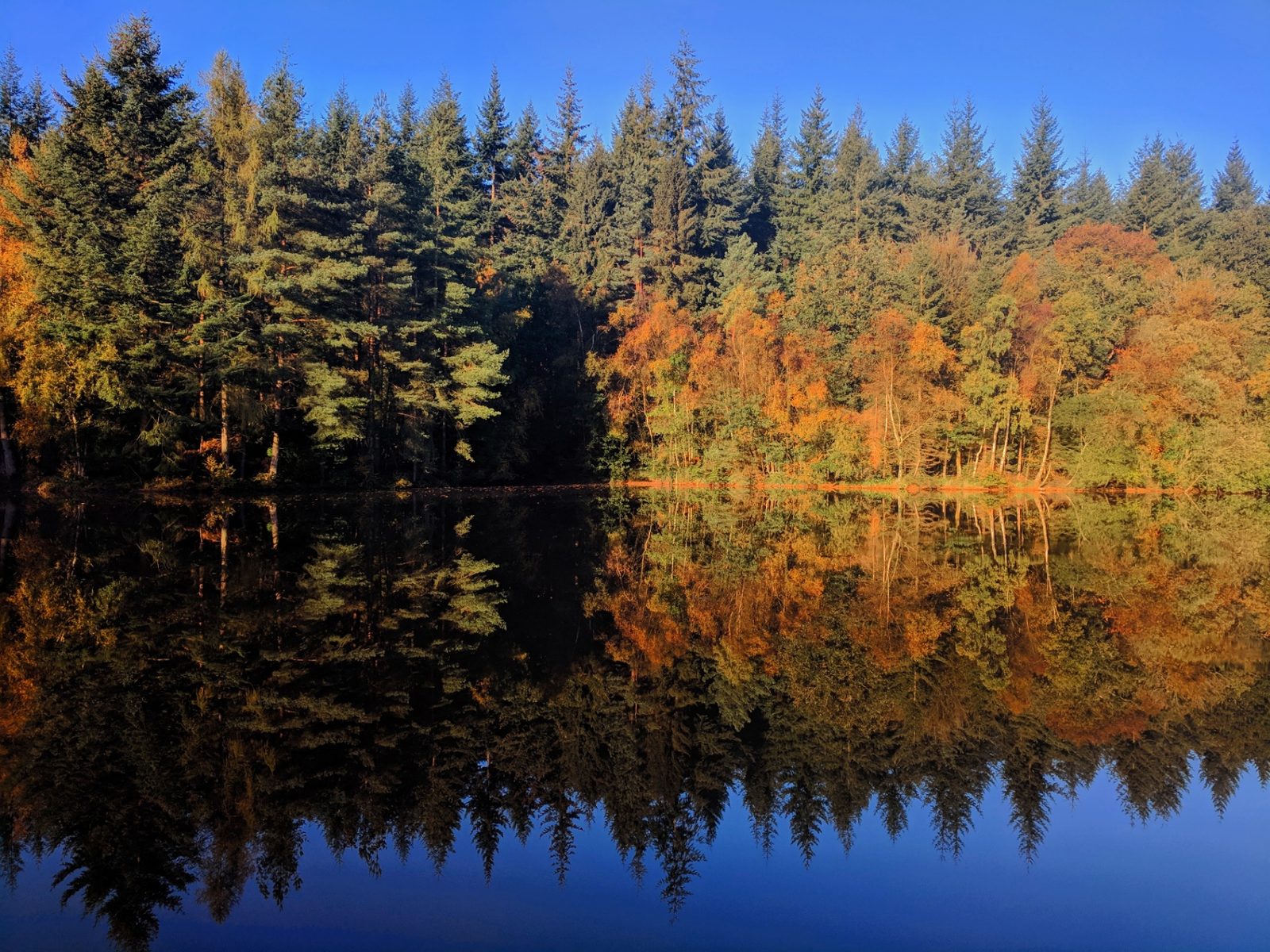
The scales pause. For one breath, light and dark are perfectly balanced — and then the dark begins to win.

From the story of the year
"The last blackberries were always the sweetest and the hardest to reach, grown deep in against the old hedge where the thorns had had all summer to thicken, and Fern went in after them the way she had every year, sleeves pushed back, one hand steadying a branch while the other picked."
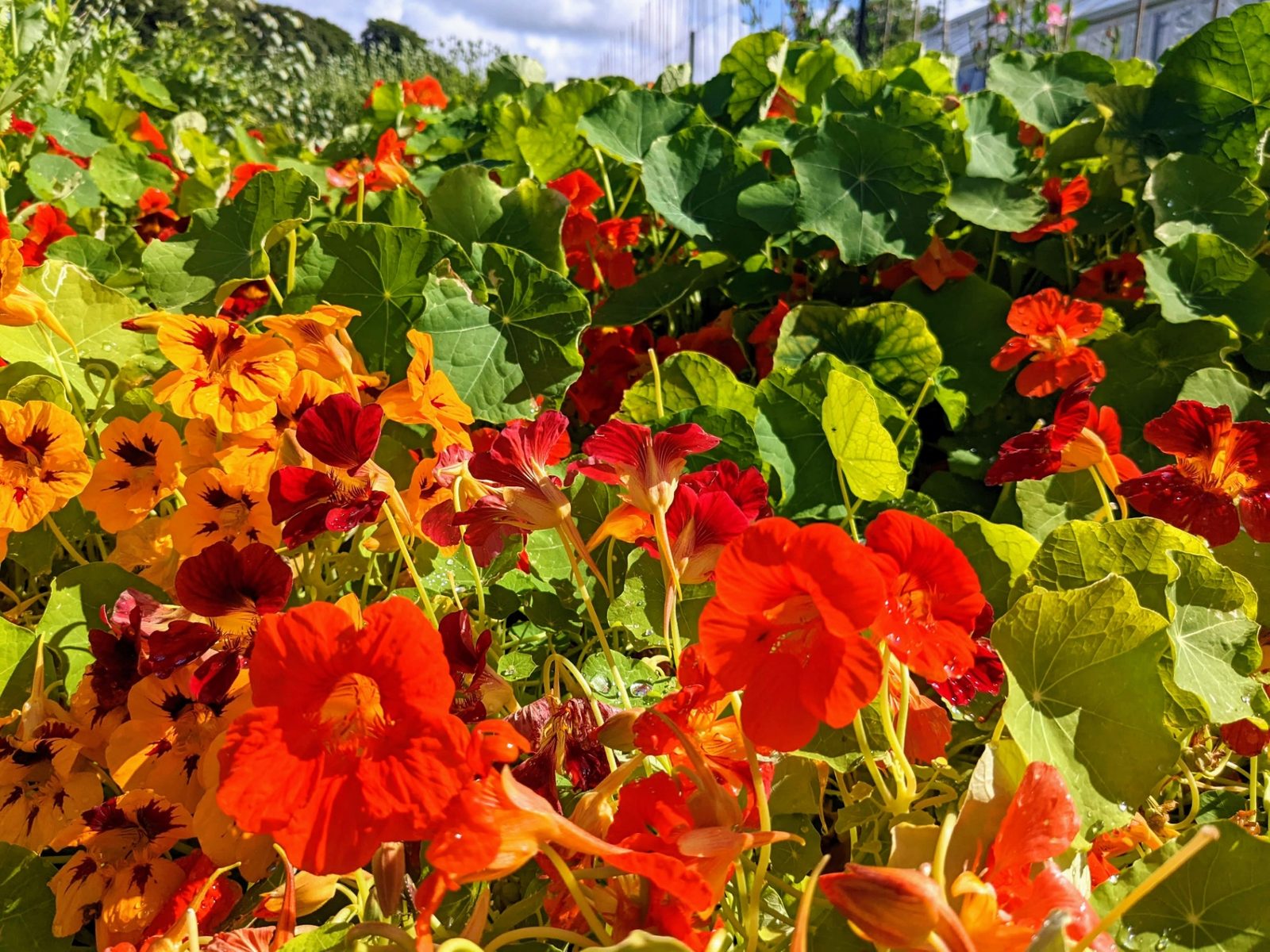
"The scales pause."
The Druids called it Alban Elfed, the Light of the Water: the moment the Oak King, who had ruled the bright half of the year, yielded fully to the Holly King. Wicca's Mabon marks the same handover with equal candles, black and white, burned side by side until the dark ones outlast the light. In the Norse and Finnish traditions, the last sheaf was cut with ceremony — sometimes personified as an "old man" who had to be honoured lest his power be lost — and at Kekri, the Finnish end-of-harvest, the ancestors were said to draw near as the outdoor season closed. The Slavic Dożynki wove that same last sheaf into a wreath, the wieniec, crowning a "harvest queen" to carry it in procession to the village centre — the field's spirit captured in straw and kept through winter until it could be returned to the earth at spring sowing. BalanceDescent
Rome spent this stretch of the calendar taking stock. The Vestal Virgins performed the closed rites of Opiconsivia to consecrate the harvest stores; the Ieiunium Cereris fasted before the autumn sowing, giving something up so the earth might be filled; the Meditrinalia tasted new wine against old with a formula about curing new disease with old medicine, marking the transition between one vintage and the next. Ireland's Michaelmas did the same accounting in Christian dress: rents paid, hiring fairs setting terms for the coming half-year, the last blackberries picked before the tradition held the devil spoiled them, a goose roasted on the harvest stubble. Reckoning
The Zoroastrian Mehregan, on the community's own solar calendar, set a table with saffron water, rosewater, sweets, and a mirror, honouring Mithra, god of covenant and friendship, and told of the tyrant Zahhak's defeat — contracts sealed in the harvest's abundance. Far south, at Chichén Itzá, the equinox sun still casts triangular shadows down El Castillo's stairway, forming the body of the Feathered Serpent descending from sky to earth — cosmology encoded directly in stone, keyed to the same solar event marked everywhere else in this file. In the Andes, at the Southern Hemisphere's own equivalent turning, Sara Raymi and Aymoray sang the final corn harvest home, storing chuño and dried maize against the coming southern hemisphere winter. DescentReckoning
For each theme
How to Celebrate
- Balance
- Light one light-coloured candle and one dark-coloured candle together at dusk, and deliberately choose the dark one slightly larger or thicker than the light one, so it burns longer — the physical demonstration mirroring the equinox's actual tip toward the dark half of the year. Watch them burn side by side through the evening.
- Descent
- Tell or read a descent myth aloud — a grain maiden going underground, a god yielding to his successor — and sit with the idea that ritualising the descent, rather than looking away from it, is the point.
- Reckoning
- Hold an accounting. Write down what you planted this year, literally or metaphorically, and what came of it. Walk to a fountain, well, or spring and cast a garland or flowers into the water as an offering, in the spirit of the Roman Fontinalia — a small, deliberate act of giving back before the dark season begins.
Feast
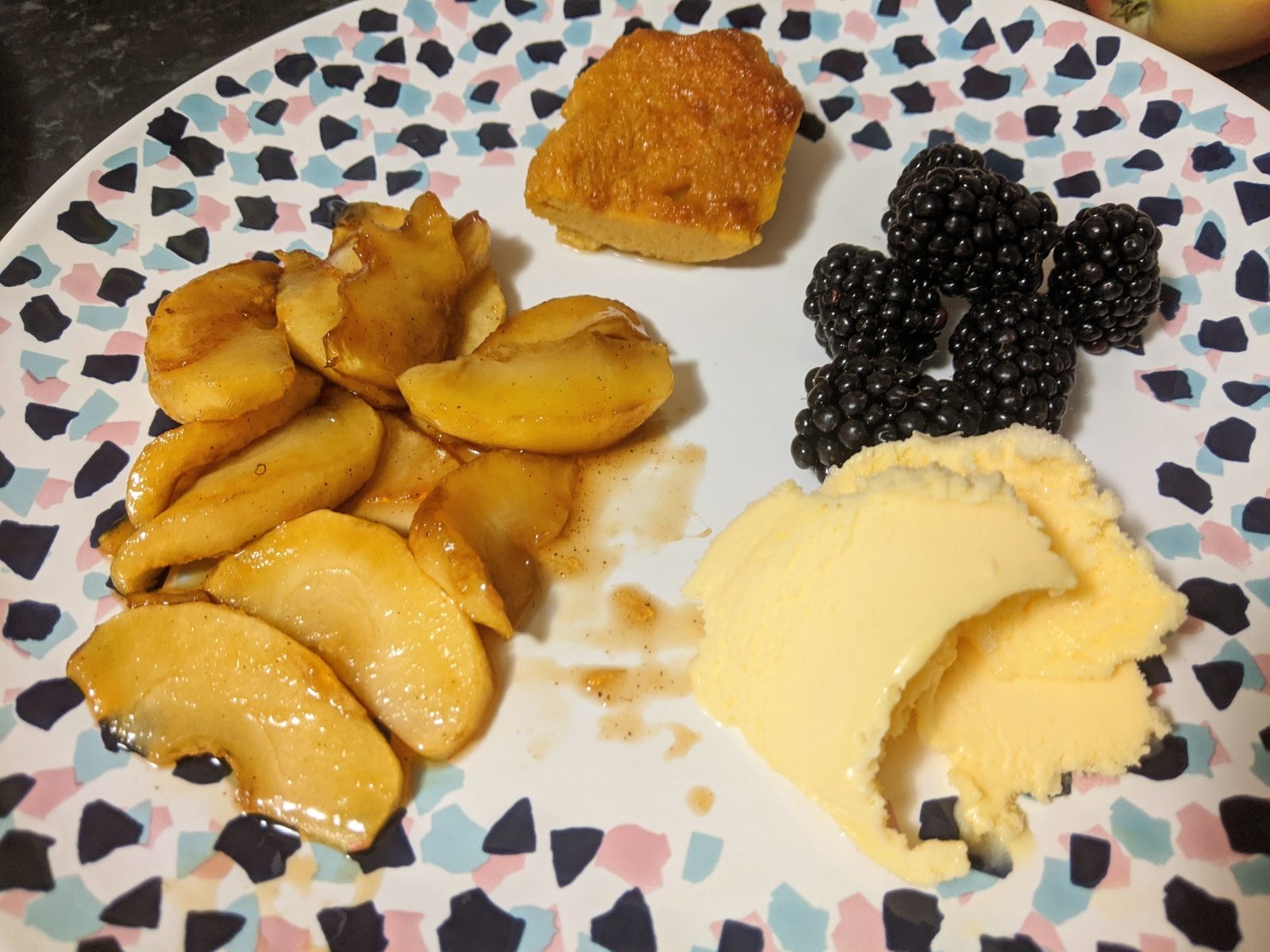
Bake a round loaf and serve apples in every form — cider, crumble, baked with cinnamon. Roast a goose, duck, or a joint of lamb, in the spirit of the Michaelmas centrepiece. Prepare root vegetables and an autumn stew; mushroom soup suits the season. Drink new wine tasted against old, or apple cider, and name what you're grateful for before you drink.
Around the world
Elsewhere, on other calendars
These celebrations are grouped here by season, theme, and shared date — not because they are all part of the wheel, and not because they all use a solar calendar. Many are lunar or lunisolar, and their timing drifts through the year.
- Descent
- The Greek Eleusinian Mysteries and Thesmophoria (both timed to the Attic lunisolar calendar) staged the season's descent literally: a nine-day procession re-enacting Persephone's abduction, and women retrieving decayed remains from ritual pits to fertilise the autumn sowing — "what dies feeds what will grow," on Athens's own civic calendar rather than the equinox itself. Hindu Ganesh Chaturthi, Sharad Navratri, and Bengali Durga Puja (all lunisolar) each install a clay or painted image for days of devotion, then process it to the water for immersion — creation, devotion, and dissolution.
- Reckoning
- The Jewish Days of Awe — Rosh Hashanah, Yom Kippur, and Sukkot (all lunisolar, calculated from the month of Tishrei) — are the fullest ritual accounting on any calendar covered here: the Book of Life opened and sealed over ten days, a twenty-five-hour fast, and Tashlich, where written failings are cast onto flowing water — a version of the water-offering worth borrowing directly if you want your own accounting to be more specific than a Fontinalia garland alone. Sukkot closes the ten days by building a booth — three walls and a roof of branches that admits starlight, lived and eaten in for seven days — a fragile, deliberately temporary shelter built at the moment the harvest is most abundant. It shares this festival's reckoning theme almost exactly, and often falls close to the equinox by coincidence.
- Balance
- The Chinese Mid-Autumn Festival (Zhongqiu Jie) and Korean Chuseok are both defined by the fullest moon of the year, the eighth full moon — and centre on gazing at it, exchanging round mooncakes or crescent rice cakes, and honouring ancestors. Their "roundness" symbolism echoes this festival's balance theme.
Confucius's traditional birthday (27th day of the 8th lunar month) is now fixed to 28 September in Taiwanese practice — another calendar in transition from lunisolar to solar-fixed.