Winter solstice · Late December
Yule
Stillness — Rebirth and Hope
Pronounced Yool
- Northern
- Southern
- ~21 December (Winter Solstice)
- ~21 June
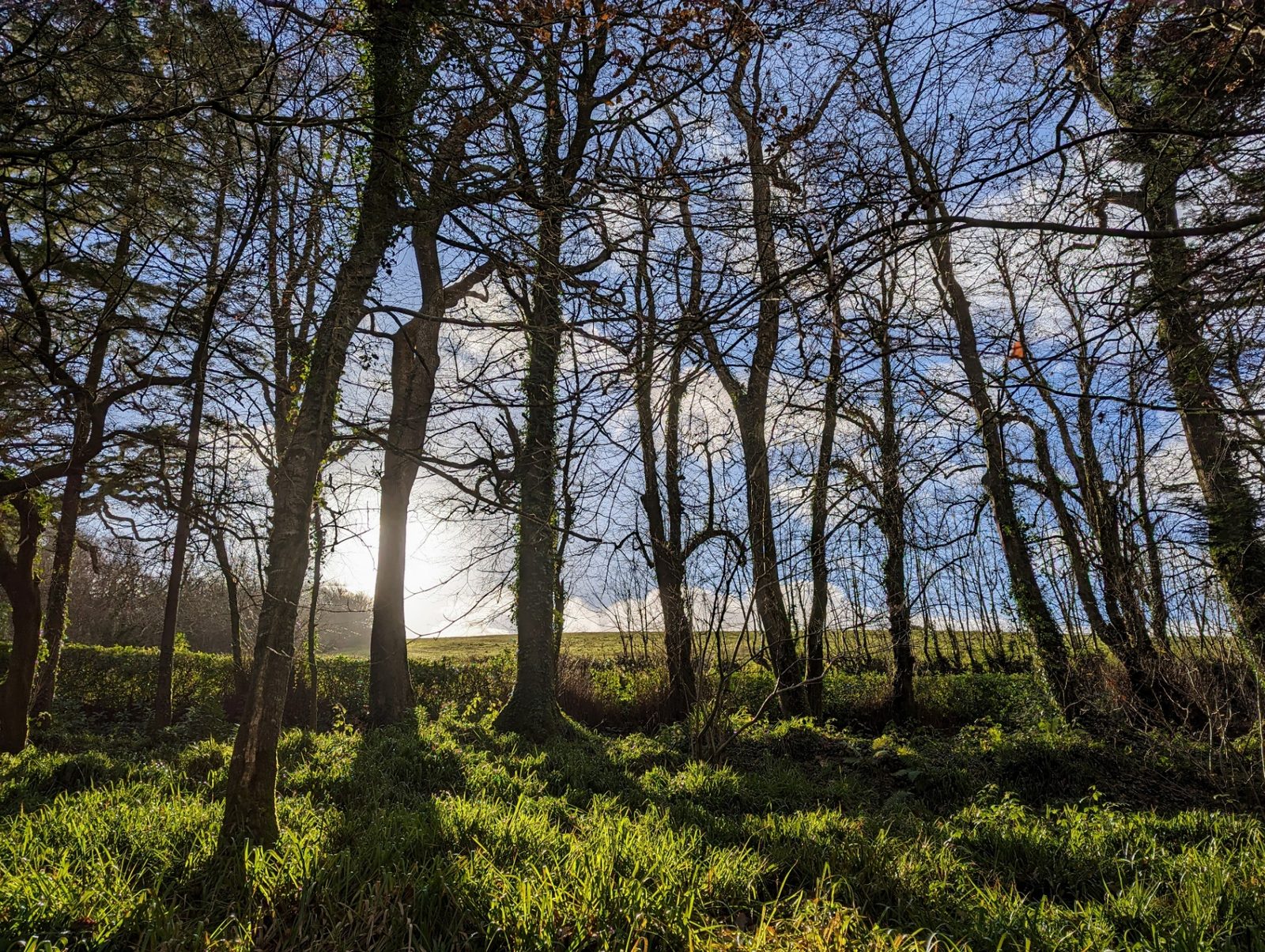
The longest night. The sun has been dying for months, and now it stops.

From the story of the year
"The villagers kept the fire burning through the longest night and took turns staying awake beside it, because someone always had to be watching when the sun turned back."
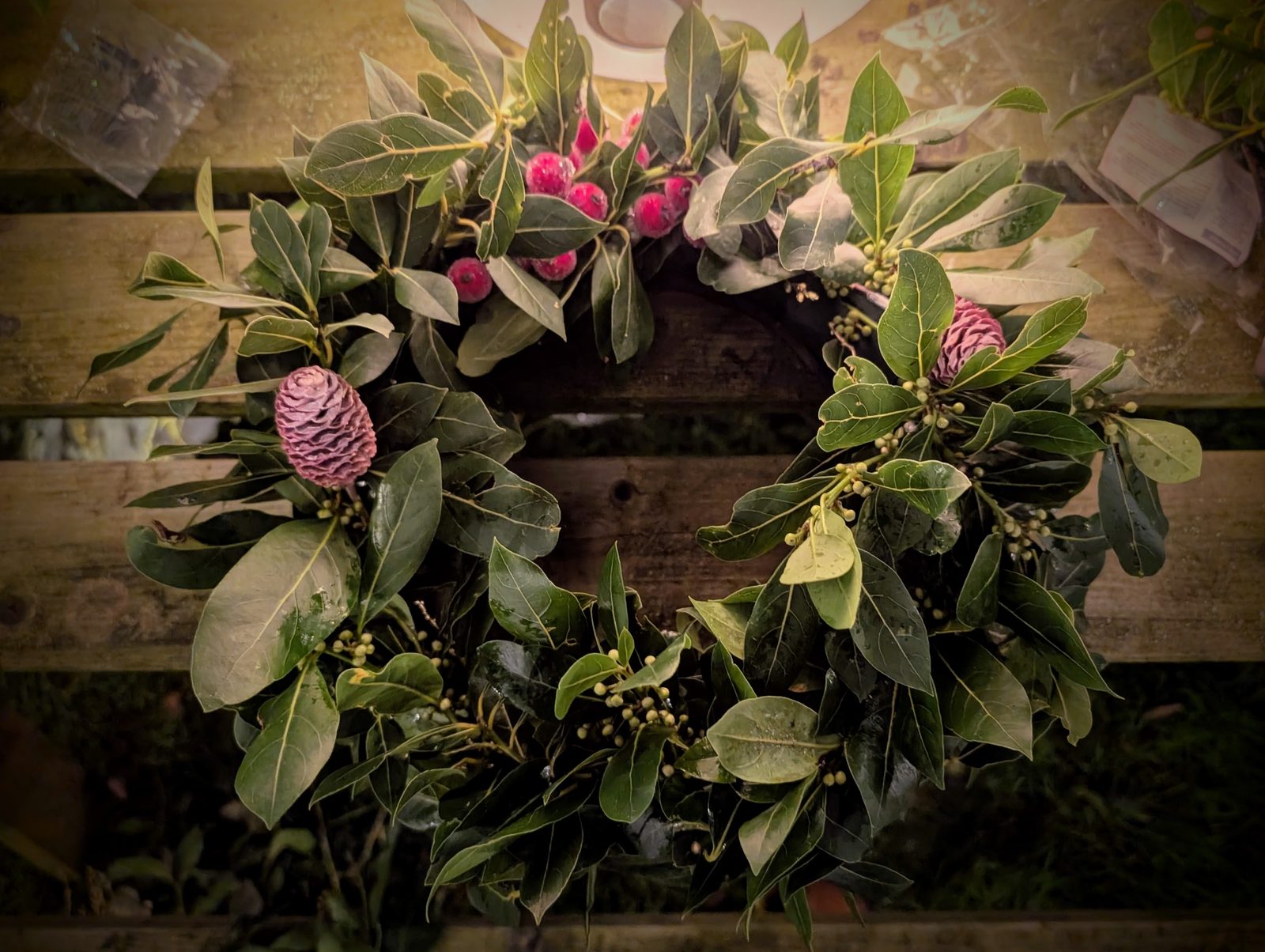
"The longest night."
In the Norse world, the Yule log is lit and must burn for twelve nights, its fire the household's only guarantee of surviving the cosmic pause; on Mōdraniht, Mothers' Night, the dísir are honoured, and oaths sworn in the deepest dark are understood to bind for the coming year. The Druids called the solstice Alban Arthan, the Light of Winter, and told of Arthur sleeping in his cave — arthan meaning bear, the animal that hibernates but does not die. ParadoxVigil
Rome answered the paradox with reversal. The Saturnalia, beginning December 17, returned the world briefly to the Golden Age: masters served slaves, courts closed, small gifts and figurines were exchanged, and the ordinary order was suspended precisely so its foundations could be remembered. The Divalia invoked Angerona, goddess of the returning sun, whose statue stood with a sealed mouth and a finger to her lips — the secret of the solstice is silence. The birth of Sol Invictus, and in the Mithraic tradition the god born from rock in a cave, were both marked on December 25 in the Roman calendar, a fixed solar date that Western Christianity would later inherit for the Nativity. InversionParadox
In Iran, Yalda Night gathers the family against the longest darkness: Mithra, the sun, is held captive by Ahriman, and the community stays awake all night specifically to ensure his return, pomegranates and watermelon on the table as proof that summer existed and will again. This is the vigil in its purest form — someone must stay awake, the turning requires witness. The Hopi Soyal spends sixteen days turning the sun back northward with prayer sticks planted at sacred sites; the planting strategies for the coming year are discussed and blessed during the same ceremony, the community's intentions for the year ahead fixed at its lowest point rather than at its start. In the Arctic, the Inuit gather for Quviasukvik through the polar night, the drum carrying the community's voice into the dark. VigilIntention
One exception threads through the mostly-lunisolar Hindu festival calendar here: Makara Sankranti and Tamil Pongal mark the sun's entry into Capricorn, a solar transition rather than a lunar one, and so — unlike Diwali or Holi — it doesn't drift against the Gregorian date from year to year. China's Dongzhi is likewise a solar term, tangyuan shaped by the family as yang is reborn from its nadir. In the Andes, at the Southern Hemisphere's own winter solstice in June, Inti Raymi remains the largest ceremony in the Inca calendar: llamas sacrificed, new fire lit with a gold mirror focused on the sun, the empire's greatest ceremony coaxing the light back exactly as its northern counterparts do, six months out of phase. Interior LightParadox
For each theme
How to Celebrate
- Vigil
- Stay awake through the longest night, or as much of it as you can manage, without relying on a screen to do it. Read aloud, tell stories, sing, or simply sit up with someone else. The point is attention, not light — the turning requires a witness, not a flame.
- Interior Light
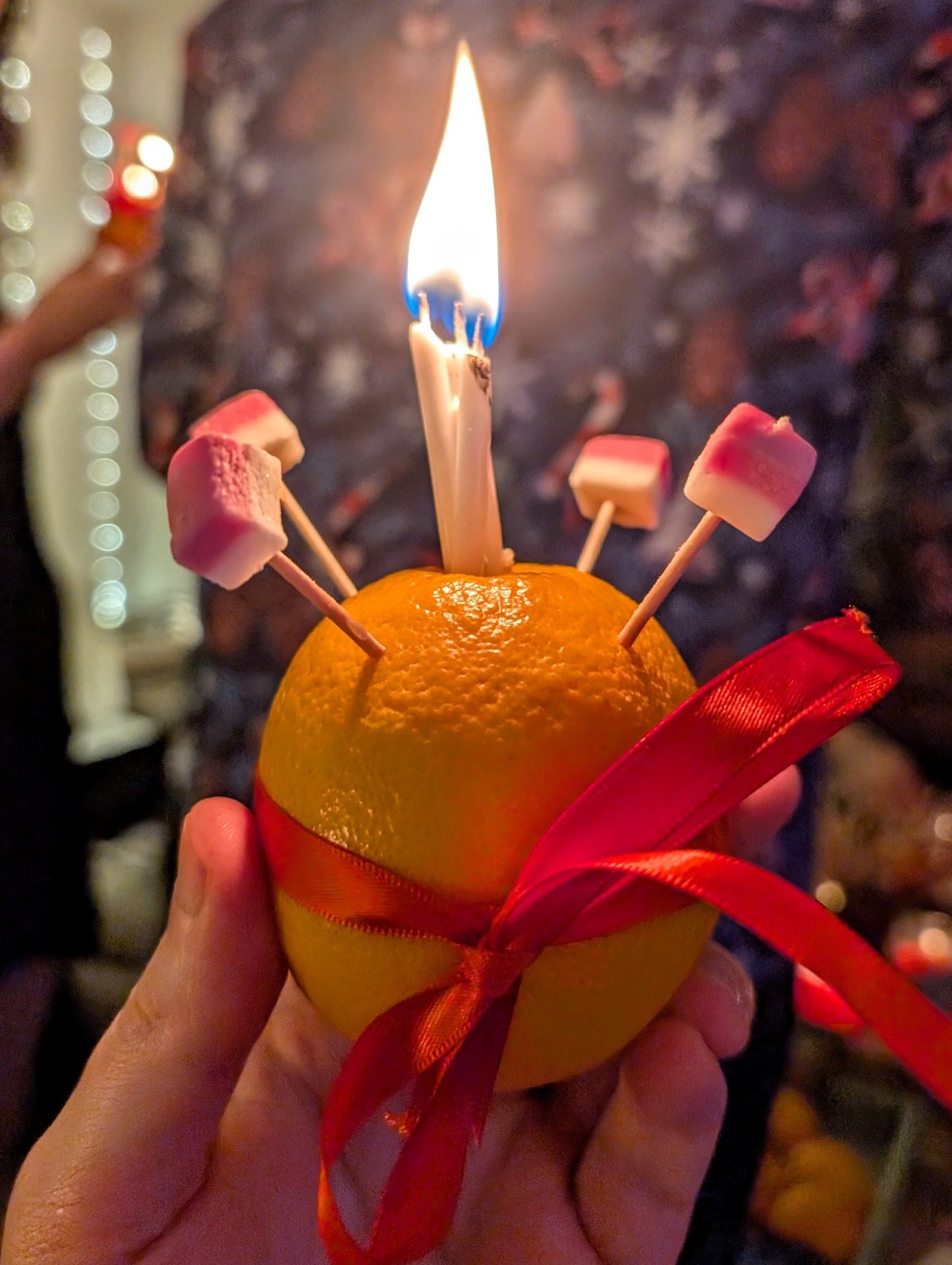
- Then, at the solstice, kindle a fire from scratch rather than lighting it from an existing flame — a match struck deliberately, or if you want the fuller gesture, friction — echoing Inti Raymi's new-fire ceremony: this light is new, not carried over from the old year. Keep a candle or lamp from that fire burning, or relit, for as many of the twelve nights as you can manage, in the spirit of the Yule log's promise that the light must not go out.
- Inversion
- Reverse the usual order in your household for one meal: let the youngest serve the eldest, or have the cook sit down while others prepare the food. Exchange small, handmade gifts.
- Paradox
- Turn off every light, screen, and clock in your space and do nothing at all — no phone, no task, no conversation — for as long as you can bear it. Then choose the exact moment to end it: switch something back on, speak, move. The stillness was total, and you were still the one who decided when it broke.
- Intention
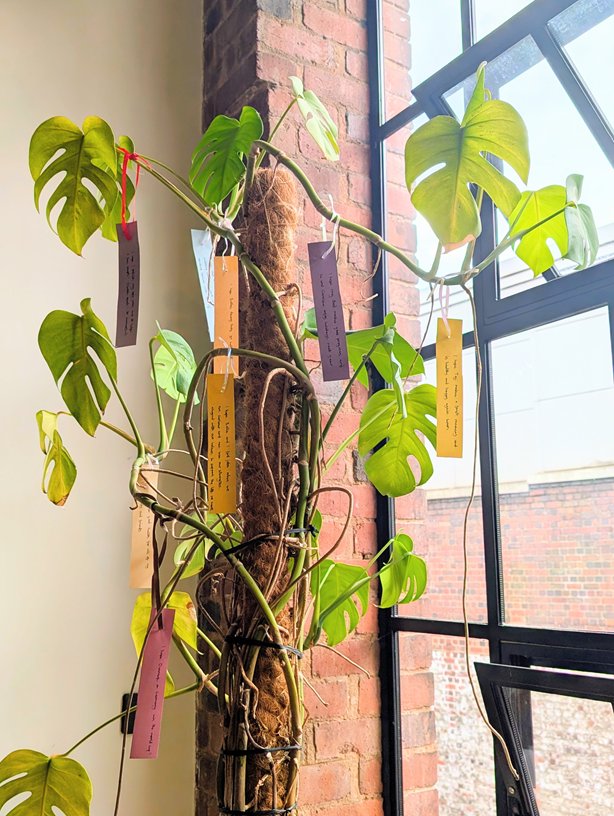
- Write down what you actually intend for the coming year — not a vague hope, but something specific enough to check on later. Tie it to a branch, plant it like a prayer stick, or simply seal it in an envelope you won't open until the next solstice. Unlike a New Year's resolution made in the noise of a celebration, set this one in the quiet, at the year's lowest point, and let it wait in the dark with everything else that's dormant right now.
Feast
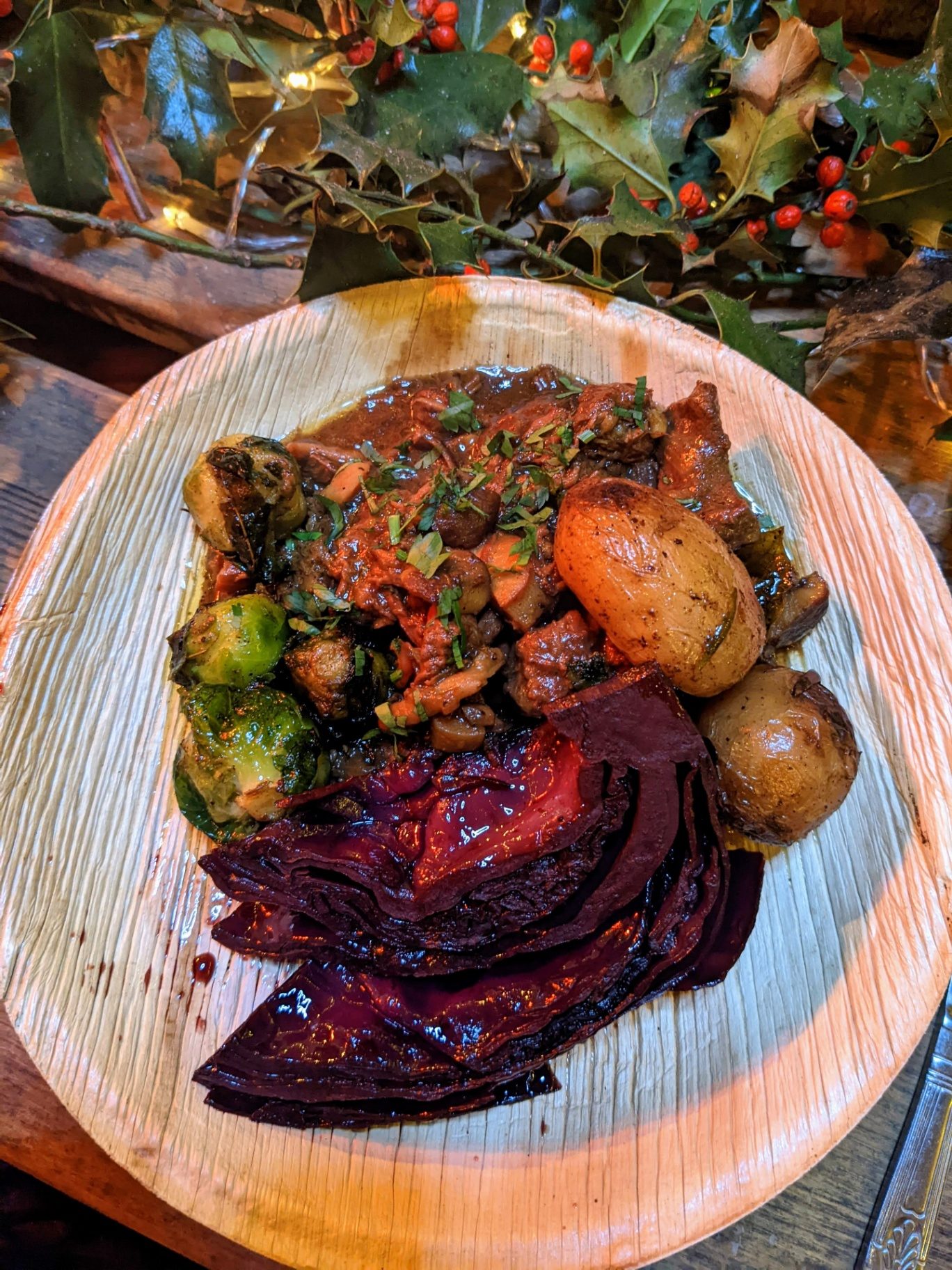
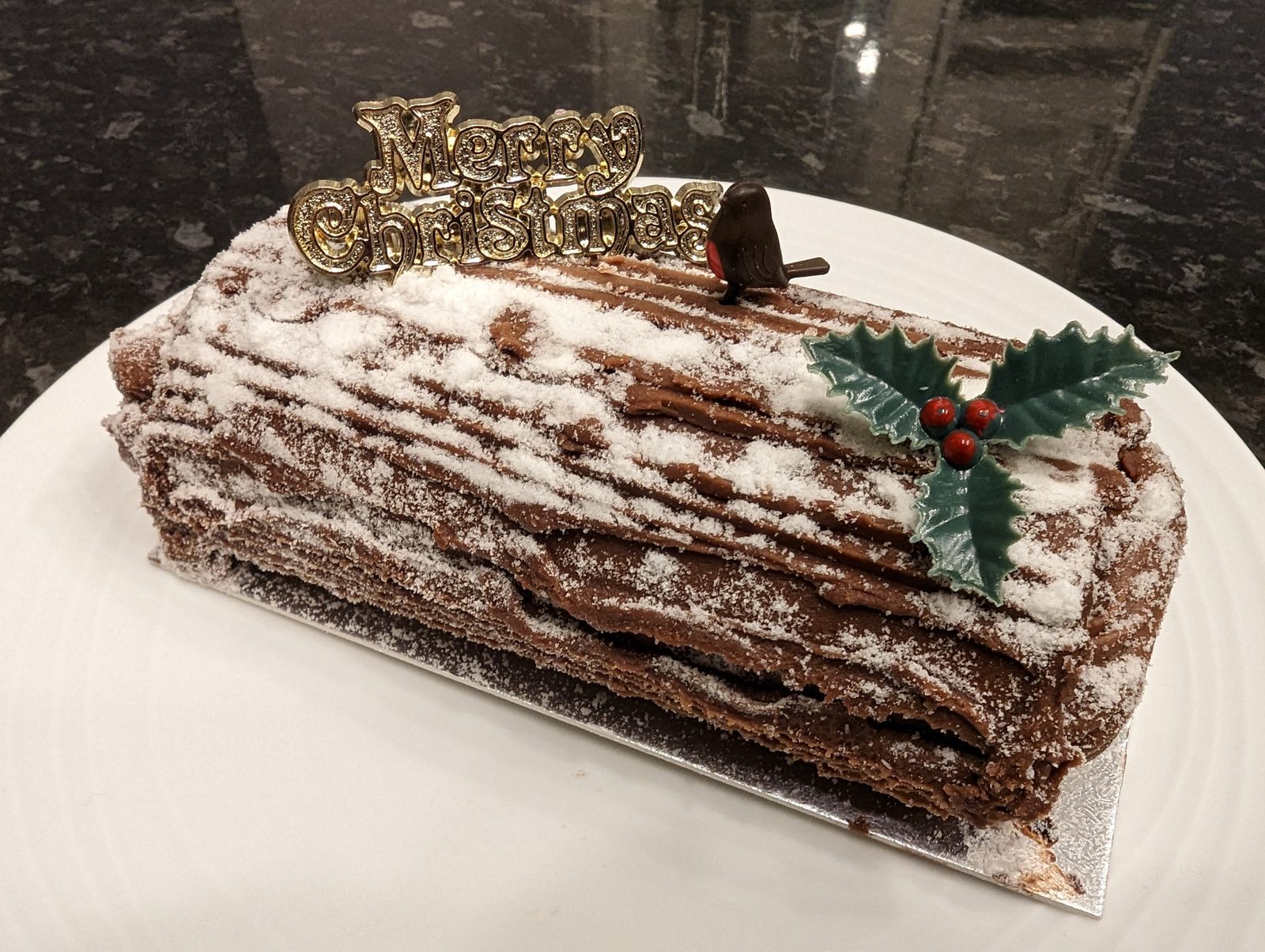
Roast a substantial joint of meat — the Yule ham or boar, a goose, or a lamb. Bake bread in a symbolic shape: braided, star-shaped, or otherwise deliberately formed by hand. Serve pomegranates, dried fruit, and nuts. Drink mulled wine, mead, or a warm spiced drink, heated and passed around. Close with something deliberately sweet.
Around the world
Elsewhere, on other calendars
These celebrations are grouped here by season, theme, and shared date — not because they are all part of the wheel, and not because they all use a solar calendar. Many are lunar or lunisolar, and their timing drifts through the year.
- Interior Light
- Jewish Hanukkah (lunisolar — 25 Kislev, can land anywhere from late November to late December depending on the year) tells of one day's oil burning for eight, a new candle added each night so light increases as the dark deepens — thematically the clearest match to this festival's "interior light" theme on any calendar, but independent of the solstice date itself. The incremental structure — one more candle each night, so the room is visibly brighter by the end than the beginning — has no equivalent among the solar-cycle cultures but is worth borrowing directly for your own practice because it's such a clean fit even on an unrelated calendar.
- Paradox
- Islam's Mawlid an-Nabi ( lunar — it drifts through the entire solar year over a 33-year cycle, so it is never reliably a "December" observance) describes the Prophet as a lamp, siraj munir, born into a dark world — the same light-in-darkness paradox as the solstice traditions above.
- Inversion
- The Athenian Haloa (Attic lunisolar calendar) granted women a day of licensed obscene speech and jesting from which men were excluded — its own version of suspending the ordinary social order.
The Zuni Shalako ceremony clusters around the winter solstice season but its exact date has traditionally been set by lunar observation within that window, making it a hybrid — the same pattern as Hopi Powamû and Niman elsewhere on this wheel.