Cross-quarter · Late October
Samhain
Veiling — Death and Release
Pronounced SAH-wen
- Northern
- Southern
- ~1 November
- ~1 May
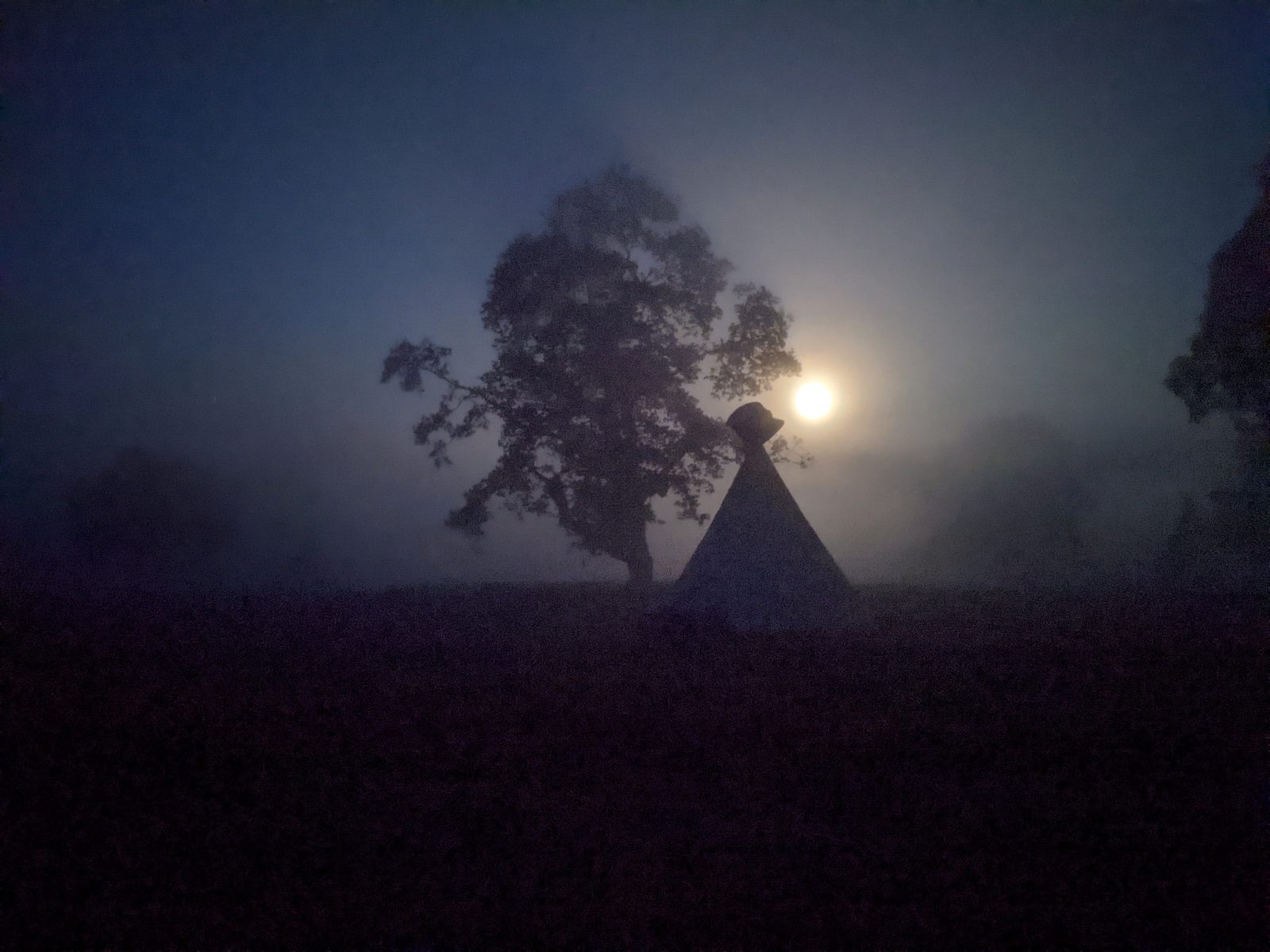
The veil lifts. The dead walk — and the response splits into two postures that sit side by side.
Astronomically, the true midpoint between the bracketing solstice and equinox falls a few days later than the traditional date — the next one is on November 6.

From the story of the year
"The dark down there didn't stay the same dark from one hour to the next."
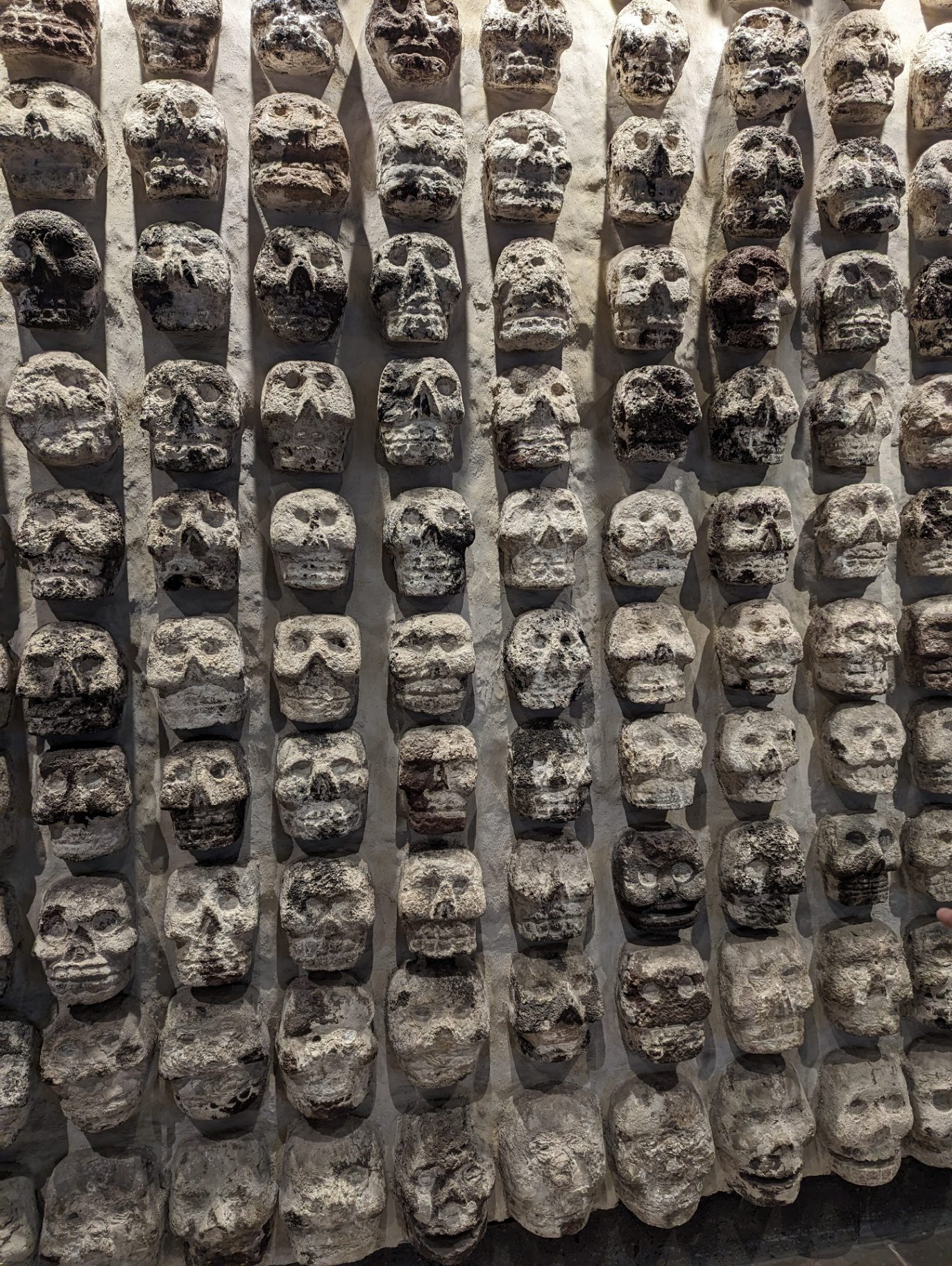
"The boundary between the living and the dead has thinned to transparency."
In Ireland, Samhain is the crack between years, belonging to neither the old nor the new: every household fire was extinguished and relit from the communal bonfire, the year dying and being born in a single night. In Wales, Calan Gaeaf lit the coelcerth on the hilltop; each person placed a marked stone in the flames and ran downhill when the fire died, checking the ashes the next morning for an omen. Both are the fear posture: fire, flight, and disguise, the origin of guising and costume, because the spirits could not take what they could not recognise. But both also read the future from the night itself — apple bobbing, nut burning, mirror-scrying — because when the veil is thinnest, what was hidden may show itself. ThresholdProtection & WelcomeDivination
The Norse began three nights of Winternights, honouring the álfar and dísir as the Wild Hunt stirred and the last outdoor sacrifice was made to Frey before worship moved indoors for winter. In Sweden, the Alvablot took the fear posture to its most private extreme: the household communed with its own dead entirely alone, outsiders turned away at the door — a travelling poet was refused entry farm after farm and told plainly, "We are heathen here." Ireland's Martinmas answered the same threshold with blood: a fowl or sheep killed, its blood marked on the threshold and the household's foreheads as literal protection at the gate of winter. Protection & Welcome
But the love posture runs alongside it, just as strongly. The Slavic Dziady set places at the table for the dead and laid food on graves, doors and windows left open for their arrival. Mexico's Día de los Muertos braids pre-Columbian devotion to Mictlantecuhtli and Mictecacíhuatl with Catholic All Saints' and All Souls' Days: the dead are invited, fed, and celebrated, marigold petals strewn as a path from the graveyard to the front door. Rome, in its own register, put its weapons away rather than sharpening them: the Armilustrium ritually purified and stored the army's arms for winter, the campaigning season closing as the community turned inward. Protection & WelcomeThreshold
The Zoroastrian Ayathrem Gahanbar, on the community's own solar calendar, marked the transition into winter with a meal shared equally among rich and poor, gratitude standing in for fear. The Aztec Quecholli spent five days making arrows and organising a communal hunt as agriculture gave way to a harder season. Light Against Dark
For each theme
How to Celebrate
- Threshold
- Mark a doorway in your home as the boundary between the old year and the new. Stand in it for a moment before crossing — acknowledging what you're leaving behind on one side and what you're stepping into on the other.
- Protection & Welcome
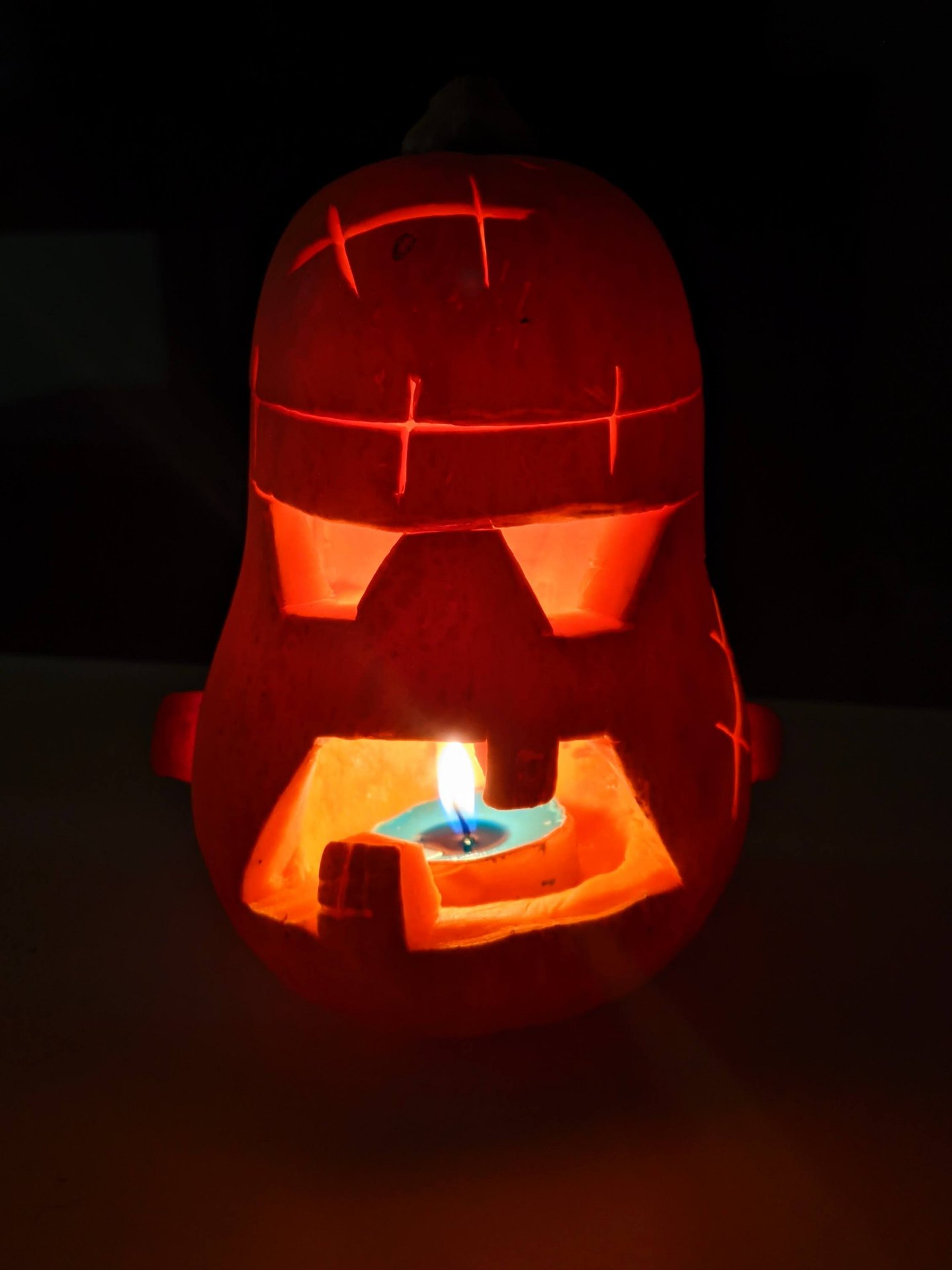
- Disguise yourself, or carve a lantern and set it at your threshold — the protective gesture. Then choose the opposite gesture too: build an ancestor altar with photographs or written names, and hold a dumb supper, a place set at your table for the dead, eaten in silence.
- Light Against Dark
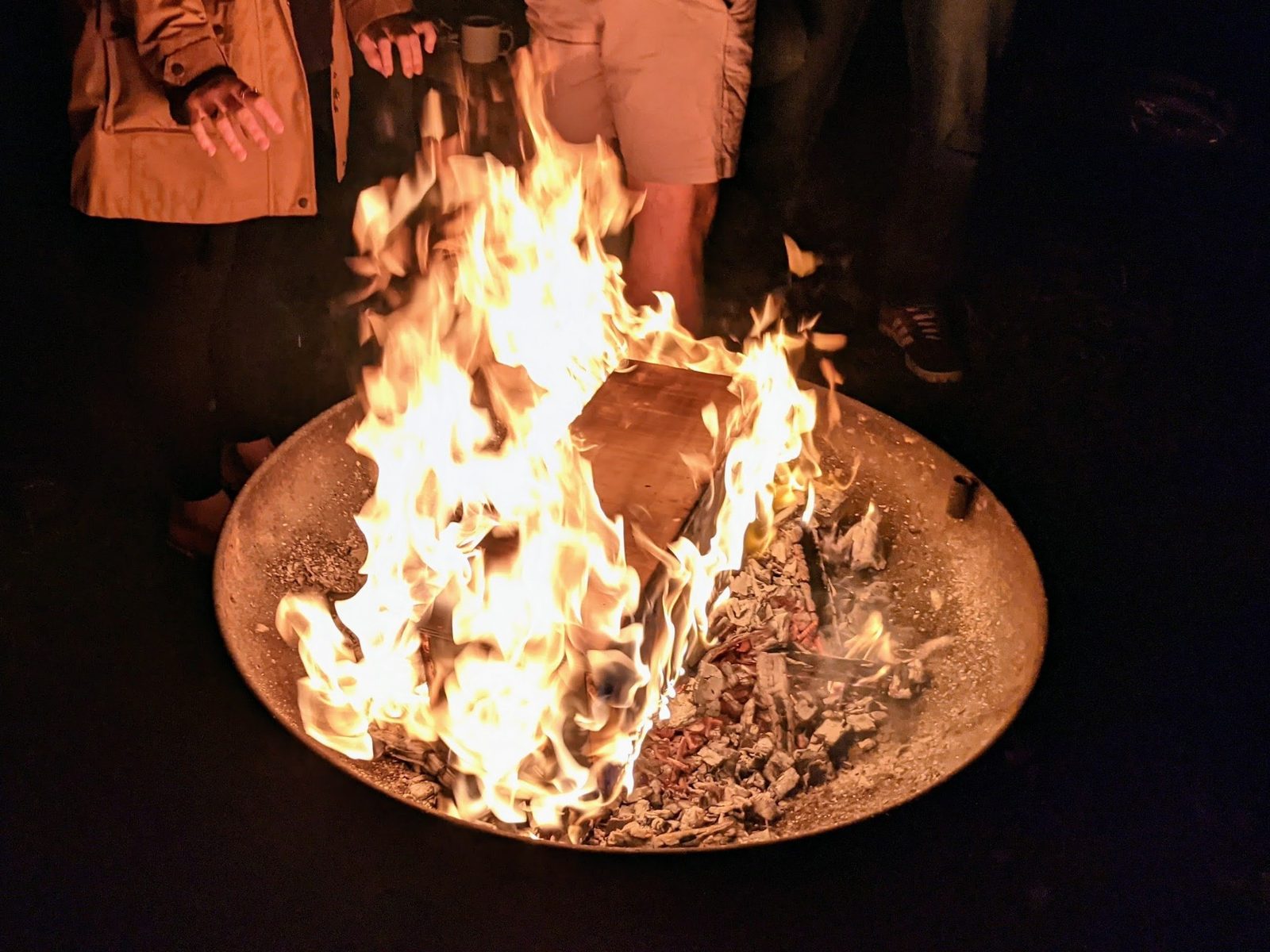
- Light a candle for each person you wish to remember, saying their name as you light each flame. Share a meal and give something away without condition while you do it, in the spirit of the Ayathrem Gahanbar's table — where rich and poor sat and ate as equals.
- Divination
- Consult the year ahead. The Samhain traditions bobbed for apples (the fewer attempts, the longer the relationship), peeled an apple and threw the skin over the shoulder to read the shape of a name, or burned nuts in the fire to see which would crack and which would hold. Calan Gaeaf checked stones in the ashes at dawn. The veil is thin tonight; whatever method of reflection you trust — tarot, runes, scrying, or simply writing a question and waiting for the answer to surface — this is the night to use it.
Feast
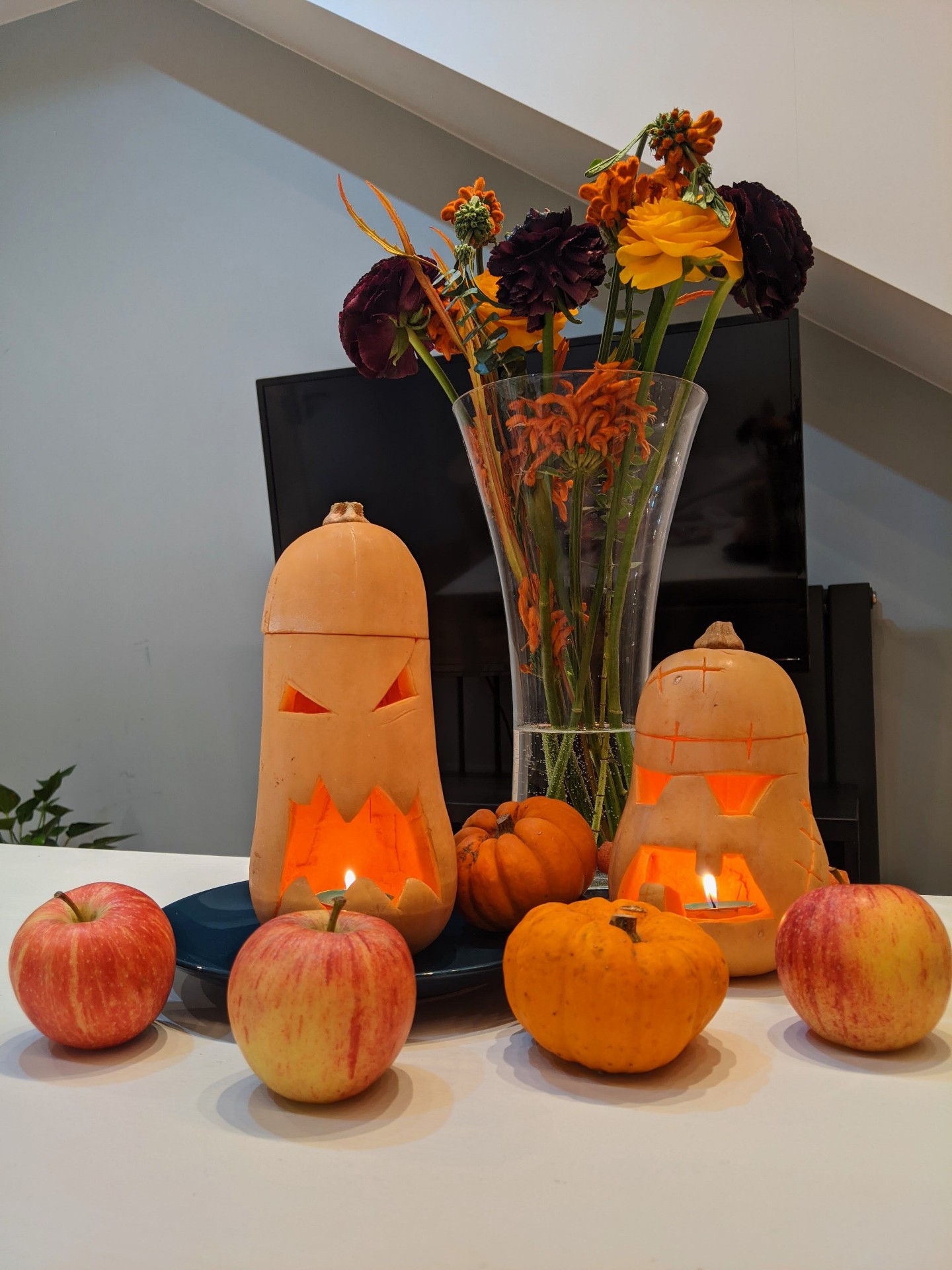
Bake soul cakes or a similarly spiced bread and leave some on the altar. Prepare colcannon or a dish with a charm hidden inside. Roast pork, goose, or duck, from an animal understood to be slaughtered at winter's threshold. Serve the favourite foods of your own dead specifically, whatever they were. Drink cider, mulled wine, or mead, and pour the first cup for the dead before you drink.
Around the world
Elsewhere, on other calendars
These celebrations are grouped here by season, theme, and shared date — not because they are all part of the wheel, and not because they all use a solar calendar. Many are lunar or lunisolar, and their timing drifts through the year.
- Light Against Dark
- Hindu, Jain, and Sikh Diwali / Deepavali / Bandi Chhor Divas (all lunisolar — the new moon of the month Kartik) answer this festival's darkest night with the opposite gesture to the fear-posture traditions above: millions of oil lamps lit deliberately, Lakshmi welcomed into the most brightly lit homes, a captive Guru bringing fifty-two freed kings home by the tails of his cloak — none of these liberation stories belong to the solar cultures above, but the gesture of freeing and giving is worth borrowing directly alongside the equal-table generosity of Ayathrem Gahanbar. Sikh Guru Nanak Jayanti (lunar, the full moon of Kartik) follows days later.
- Threshold
- Islam's Muharram / Ashura (lunar — it drifts through the entire solar year, so it is never reliably an "autumn" observance) mourns Husayn's martyrdom at Karbala; the Islamic new year itself begins in mourning rather than celebration. Eastern Orthodox All Saints' Day is fixed not to 1 November but to the Sunday after Pentecost — lunisolar-derived.
- Protection & Welcome
- Chinese Double Ninth (Chongyang) (lunisolar — ninth day of the ninth lunar month) answers an excess of yang energy by climbing to high ground and drinking chrysanthemum wine, a protective gesture arrived at independently.
Anglo-Saxon Winter-fylleþ was named for and timed to October's full moon — a rare instance of an old Germanic observance that was lunar-anchored rather than solar. Inca Ayamarca, a procession of mummified ancestors, is thematically a Veiling festival through and through — but its date falls at the Southern Hemisphere's equivalent of Flourishing.